Proudly serving Phoenix, Scottsdale, Mesa, Tempe, Chandler, Gilbert & surrounding areasCall or Text 24/7: 602-449-0493
Aerial drone view of a suburban neighborhood with terra-cotta roofs and desert landscaping in Phoenix, AZ.

Landscape Maintenance and Property Management Services in Tempe, AZ

Phoenix Expert Landscaping provides full-service landscape maintenance across Tempe for homes, HOA common areas, and commercial grounds. Our crews handle yard cleanup, lawn care, weed control, tree and hedge trimming, planting, desert landscaping, rock and gravel work, and irrigation repair. Each maintenance plan is shaped around the property instead of a one-size-fits-all checklist.

Tempe yards contend with caliche-influenced soil, alkaline hard water, and 100+ degree summer stretches. Those conditions compact turf roots, clog irrigation emitters, and increase stress on trees before monsoon winds arrive. We assess the landscape, irrigation, and plant health together so maintenance priorities reflect the way desert properties actually perform. Seasonal scheduling helps address small issues before they become widespread plant loss, uneven watering, or storm debris problems.

Tempe's 2020 population of 180,587 residents spans historic bungalows, mid-century ranch homes, newer communities, HOA landscapes, and busy commercial corridors. We serve properties near Arizona State University, Mill Avenue, Kiwanis Park, Warner Ranch, and the Elliot Road Tech Corridor as well as surrounding communities named in our service area.

★ ★ ★ ★ ★4.9/5 Average Rating - 20+ Years of Experience - Tempe Landscaping Company Specialists - Residential & Commercial
Complete Yard Care

Landscape Maintenance Services in Tempe, AZ

Choose a focused service or combine routine upkeep with seasonal work for turf, beds, trees, and irrigation. For customers coordinating more than one property, our coverage also extends to Mesa, Guadalupe, South Scottsdale, and Chandler, AZ .

Landscape Maintenance

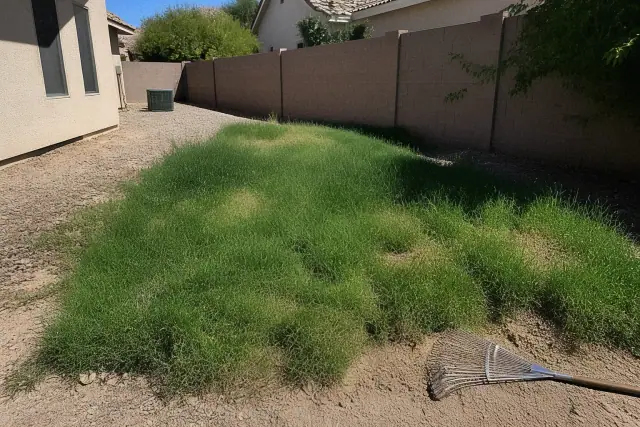
Neglected lawn with weeds and thatch needing maintenance at a residential property in Tempe, AZ.

Property-specific plans coordinate mowing, edging, bed care, irrigation spot checks, debris removal, and scheduled deeper work. Residential lawns may use weekly service, while commercial grounds can follow a rotating schedule matched to site use. Explore Service

Explore Service

Yard Cleanup

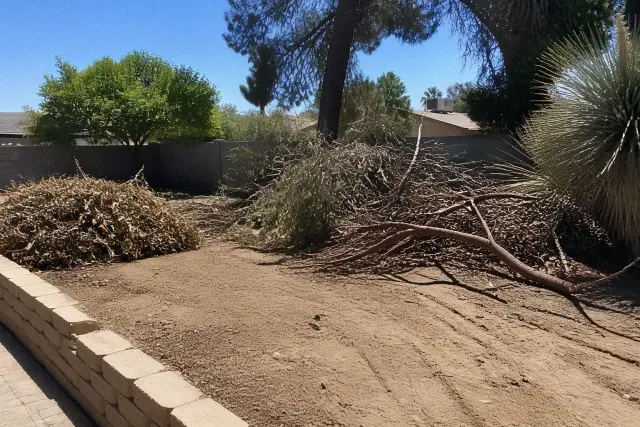
Piles of fallen branches and yard waste ready for cleanup in a desert landscape in Tempe, AZ.

Seasonal cleanup removes leaf litter, seed pods, and monsoon debris, then resets bed edges and disturbed rock or mulch lines. Clearing buildup also helps keep pests and blocked irrigation drainage from becoming larger problems. Explore Service

Explore Service

Lawn Care

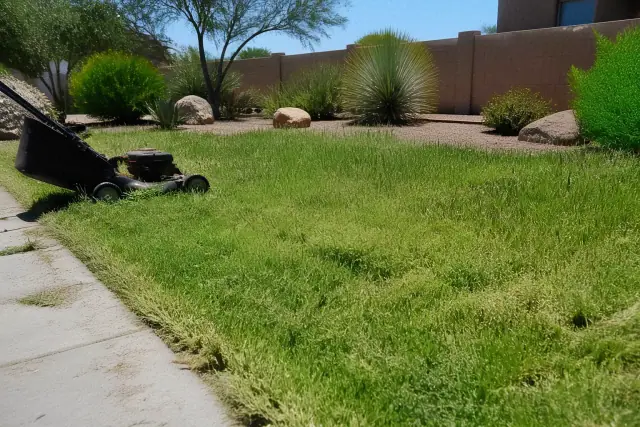
Lawn mower working on a neglected patch of grass in Tempe, AZ.

Warm-season Bermuda grass needs seasonally adjusted mowing, fertilization timed to growth cycles, and aeration where clay-heavy soil compacts. Ryegrass overseeding can provide winter color while mowing frequency changes with spring growth and dormancy. Explore Service

Explore Service

Weed Control

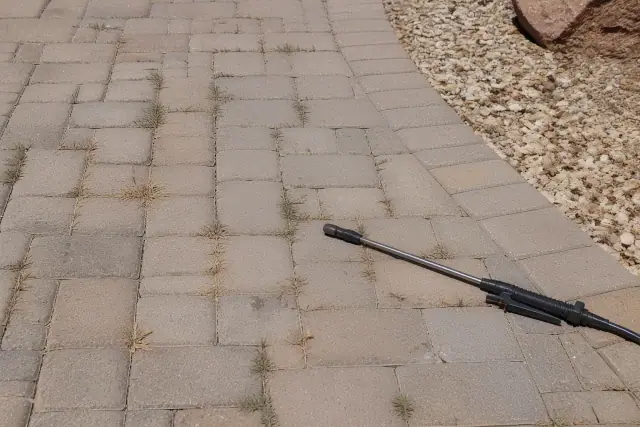
Handheld sprayer wand on pavers next to weeds in a Tempe, AZ landscape with crushed granite.

Pre-emergent treatment is timed to Tempe's two main germination windows in fall and early spring, with post-emergent spot treatment as needed. The approach targets three persistent local weeds-nutsedge, spurge, and puncturevine-while protecting desirable turf and plants.

Tree Trimming

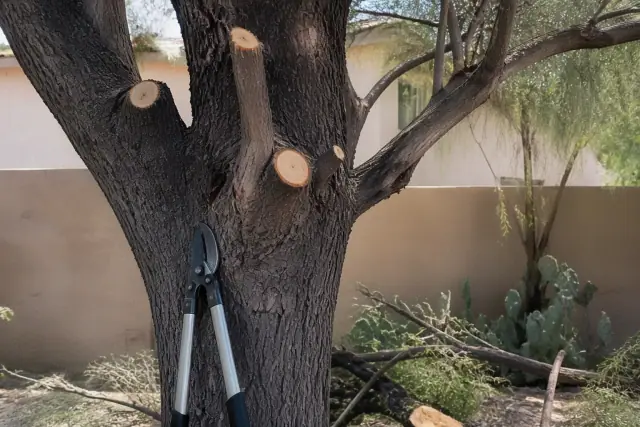
Pruning shears resting against a tree trunk during canopy trimming in Tempe, AZ.

Structural pruning reduces wind load, improves branch spacing, and raises canopies on mesquite, palo verde, eucalyptus, and other Tempe trees. Work follows ANSI A300 pruning standards and major cuts are timed to avoid unnecessary peak-heat stress.

Shrub & Hedge Trimming

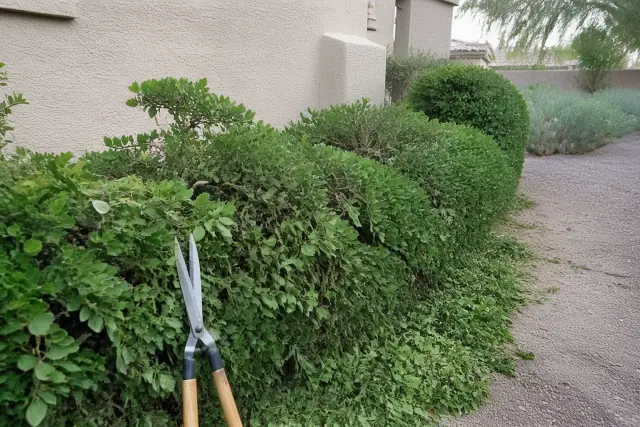
Manual hedge shears resting on a partially trimmed bush in a residential yard in Tempe, AZ.

Shaping for oleander, ficus, and Texas sage screening hedges keeps growth dense instead of leggy. Trimming schedules account for plant growth and desert heat so appearance goals do not come at the expense of plant health.

Planting Services

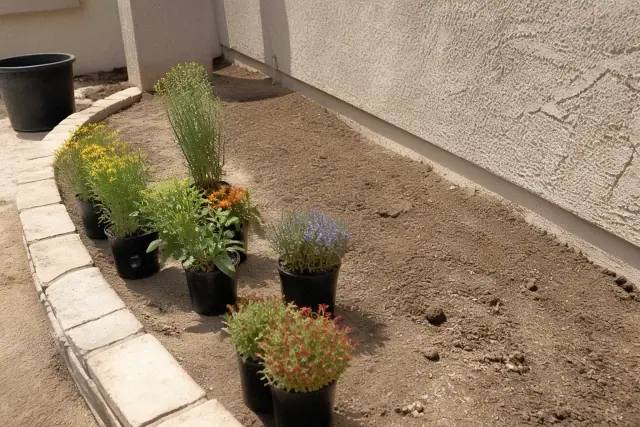
Nursery pots and ornamental plants staged for landscaping installation in a garden bed in Tempe, AZ.

Foundation shrubs and shade trees are selected for USDA Hardiness Zone 9b heat tolerance. Installation matches root-ball size to the planting hole, amends caliche-influenced soil, and can add mulch to retain moisture and moderate root-zone temperature.

Desert Landscaping

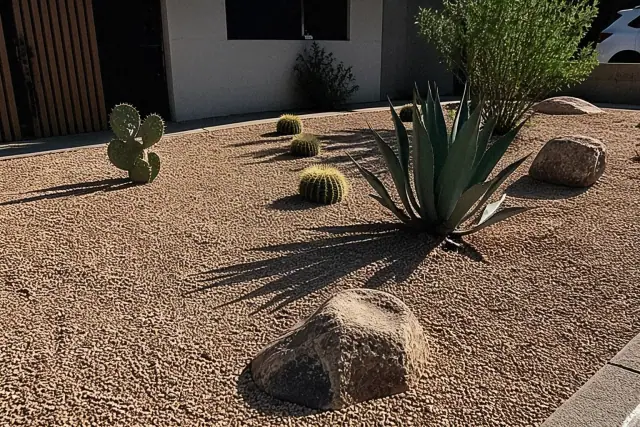
Desert landscaping featuring crushed granite and native succulents at a job site in Tempe, AZ.

Palo verde, ironwood, agave, and brittlebush support drought-tolerant landscapes suited to annual rainfall that is typically under 9 inches per year. Xeriscape maintenance manages plant spacing, canopy health, and drainage while reducing reliance on turf-heavy watering.

Rock & Gravel Landscaping

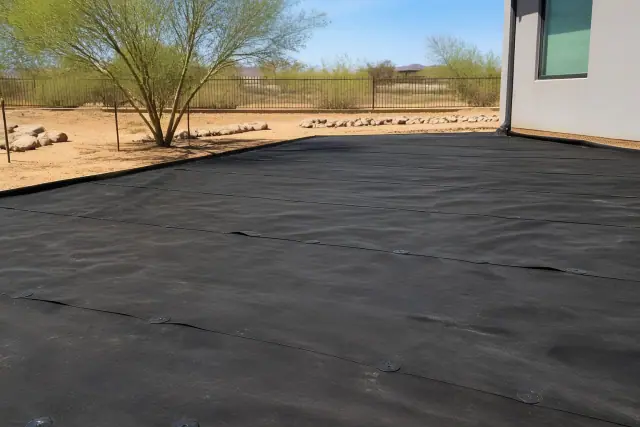
Decomposed granite and river rock landscaping installed over landscape fabric in a Tempe, AZ yard with palo verde trees.

Decomposed granite, river rock, and crushed rock can provide durable ground cover with lower mowing and irrigation demands. Proper weed barrier, material depth, erosion control, and drainage grading help keep monsoon runoff from carrying rock onto pool decks or driveways.

Irrigation Repair

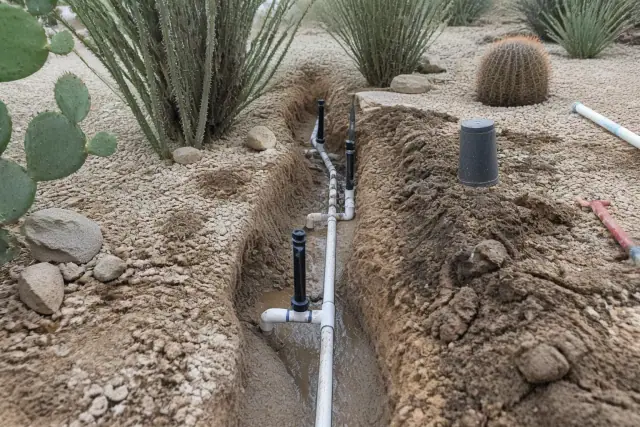
A trench with exposed sprinkler pipes and muddy soil during an irrigation repair project in Tempe, AZ.

Diagnostics cover cracked drip lines, clogged emitters, broken risers, valve failures, controller malfunctions, and pressure problems that leave zones flooded or dry. Repairs and seasonal controller reprogramming account for the major difference between summer and winter watering needs.

Plan Selection

How to Choose a Landscape Maintenance Plan in Tempe

Start with the property's turf, irrigation, plant mix, drainage, and use rather than a generic service bundle. Tempe temperatures swing from winter lows near 40 degrees to summer highs regularly above 110, so the right schedule changes with the season and the landscape's exposure.

Begin with a Site Walk

A useful plan begins by assessing turf condition, irrigation function, tree structure, plant health, and drainage on the actual property. The walk identifies which issues belong in routine visits and which need seasonal or separate work.

Match Service to the Season

Mowing frequency, fertilization, irrigation, cleanup, and pruning should shift around active growth, dormancy, peak heat, and monsoon preparation. A rotating plan places deeper tasks where they support the landscape instead of repeating the same checklist every visit.

Choose Desert-Ready Plants

Plant selection should fit Tempe heat, low rainfall, alkaline conditions, and the usable space a property needs. Native and drought-tolerant choices can reduce water demand, but spacing, canopy health, and soil drainage still need ongoing attention.

Test Irrigation Pressure and Flow

Pressure and flow testing can distinguish a clogged emitter from a larger valve, controller, or zone problem. Checking function before changing watering time helps avoid masking poor distribution with excess irrigation.

Use Structural Pruning Practices

ANSI A300 practices emphasize branch spacing and appropriate canopy reduction instead of damaging over-thinning. Pruning decisions should also account for species, growth rate, wind exposure, and the stress caused by extreme summer heat.

Review Scope Before Work Begins

A free estimate should explain the visit frequency, included routine tasks, and separately quoted work such as tree trimming or irrigation repair. Lot size, turf versus desert area, tree size, hedge density, and irrigation-zone count all affect scope.

Tempe Yard Conditions

Common Landscape Problems for Tempe Properties

Heat, mineral-heavy water, dense soil, weeds, and monsoon weather affect different parts of a landscape at the same time. Irrigation demand rises in June and July, while programs that ignore the seasonal swing typically see turf die-back by August and storm-related tree failures by September.

Request a Free Estimate

Caliche Soil Compaction

Dense, alkaline clay loam can restrict drainage and root penetration when it is left unamended. Site-specific drainage checks, soil amendment, and periodic lawn aeration help address compaction without assuming conditions are uniform across the yard.

Hard-Water Emitter Clogs

Tempe's mineral-heavy irrigation water can clog drip emitters and leave white scale on irrigation heads. Cracked lines, failed valves, and pressure imbalances may then leave one zone flooded while another stays dry.

Monsoon Wind Load

The monsoon season from June through September can bring sudden wind and rain that test weak crotch unions and heavy tree canopies. Structural pruning before storms focuses on wind-load reduction without over-thinning the tree.

Extreme Heat Root Stress

Unshaded rock and pavement in Tempe routinely exceed 150 degrees in summer, heating nearby root zones and accelerating irrigation-component wear. Mulch, appropriate plant placement, and working irrigation help protect soil moisture during peak heat.

Aggressive Weed Pressure

Invasive growth competes with desirable plants for limited irrigation and can take over untreated beds within a season. Consistent pre-emergent timing and targeted spot treatment reduce pressure more effectively than waiting for widespread growth.

Rock-Bed Erosion and Debris

Monsoon runoff can erode grading, move decorative rock, and carry material toward pool decks and driveways. Cleanup, corrected drainage, suitable material depth, and reset bed lines help restore function as well as appearance.

Why Choose Us

Why Tempe Properties Need Local Expertise

Desert landscaping decisions change with plant species, property use, heat exposure, soil drainage, and irrigation condition. Phoenix Expert Landscaping builds maintenance around those local variables for residential yards, HOA common areas, commercial grounds, and multi-property portfolios.

Tempe Climate Knowledge

Local judgment recognizes that Bermuda grass, mesquite, ash, desert natives, and drip irrigation each need different timing. Scheduling also reflects the extended growing season, summer heat, canal-adjacent conditions, and monsoon pattern.

Plans for Every Property Type

A family yard may balance turf for children or pets with drought-tolerant beds, while an HOA or business park needs consistent shared-area upkeep. Scope and frequency are matched to lot size, use, appearance requirements, and portfolio complexity.

Documented Repairs and Pruning

Irrigation repairs and major pruning work are documented so owners have a record for HOA compliance or resale. Crews also flag irrigation and plant-health concerns found during service, keeping communication tied to observable property conditions.

Property-Based Process

Our Landscape Maintenance Process in Tempe

The process moves from direct observation to a seasonal schedule, routine upkeep, and documented follow-through. Each step connects turf, trees, beds, and irrigation so one issue is not addressed in isolation from the rest of the landscape.

01.

Walk the Property

We begin on site, noting the property's use, turf condition, planting areas, tree structure, visible drainage patterns, and existing maintenance concerns.

02.

Assess Turf, Soil, and Plants

Turf density, compaction, fertilization needs, root-zone stress, plant spacing, and canopy health help define what belongs in the maintenance plan.

03.

Check Irrigation Function

Irrigation spot checks and diagnostic tools evaluate emitters, risers, valves, controllers, pressure, and flow before repair priorities are set.

04.

Build the Seasonal Schedule

Visit frequency and rotating services are matched to property type, growing cycles, heat, monsoon preparation, dormancy, and planned deeper work.

05.

Complete Routine and Deeper Work

Standard visits cover applicable mowing and edging, bed maintenance, irrigation spot checks, and debris removal, while trimming, fertilization, and rock refresh are scheduled seasonally.

06.

Document and Adjust

Major pruning and irrigation repairs are recorded, concerns are communicated, and later visits can adjust for seasonal growth or changing site conditions.

Property-Specific Plans

Maintenance Priorities for Tempe Homes & Businesses

Case Study 1: Residential yards: Balance usable Bermuda turf for children or pets with drought-tolerant beds, reliable irrigation, and seasonal tree care.

Case Study 2: HOA common areas: Coordinate appearance standards, water-conscious plantings, predictable scheduling, and records for major pruning or irrigation repairs.

Case Study 3: Commercial grounds: Use a consistent point of contact and rotating maintenance plan for turf, desert beds, trees, debris, and irrigation across one or several properties.

Plan Your Service

Request a Free
Landscape Maintenance
Estimate

Start with a property walk and a clear estimate based on lot size, service frequency, turf and desert areas, trees, hedges, and irrigation zones. Phoenix Expert Landscaping can outline routine tasks and separately scoped seasonal work before service begins.

Tempe Landscaping Help

FAQs About Landscape Maintenance in Tempe, AZ

Use these answers to compare service frequency, seasonal work, irrigation needs, cleanup timing, and maintenance scope for Tempe properties.

Call Our Team

Most residential landscape maintenance in Tempe runs between $100 and $200 per month depending on lot size, while larger properties or those with extensive desert landscaping may run closer to $300 monthly. Frequency, turf area, tree trimming, and irrigation repair all affect scope. Phoenix Expert Landscaping provides a free estimate after walking the property, and commercial or HOA work is quoted separately by size and complexity.

A standard visit includes mowing and edging where turf is present, weed removal from beds, irrigation spot checks, and debris cleanup. Tree trimming, hedge shaping, fertilization, and rock-bed refresh can be placed on a rotating schedule. The exact scope follows the maintenance plan for the property.

Most Tempe trees benefit from structural pruning once or twice a year, with added canopy attention in late spring before monsoon season where needed. Fast-growing mesquite and eucalyptus may require more attention than slower-growing desert natives. ANSI A300 practices help avoid over-thinning, and major pruning should not add unnecessary stress during extreme heat.

Repair is usually appropriate when mainlines and valves are intact and failures are limited to emitters, risers, or drip lines. Replacement becomes worth considering when a system is more than 15-20 years old, outdated PVC is cracking throughout, or the controller cannot support modern scheduling. A diagnostic check should come before either recommendation.

Both overwatering and underwatering can cause visible stress, while caliche-influenced clay soil creates uneven drainage across a yard. Bermuda grass also needs correctly timed fertilization during active growth. When a lawn stays thin, soil compaction or nutrient timing may be the issue rather than watering volume alone.

Yes. Phoenix Expert Landscaping maintains single-family yards, HOA common areas, commercial grounds, and multi-property portfolios throughout Tempe. A home lawn may use weekly service, while shared or commercial grounds can use a rotating plan based on site use, square footage, and complexity.

Spring cleanup, typically from February through April, addresses winter dieback and prepares beds and irrigation for active growth. Fall cleanup in October and November clears monsoon debris and prepares trees and shrubs for dormancy. Both are good times to spot damaged irrigation lines or developing weed patches.

Pre-emergent treatment is timed to the fall and early-spring germination windows, followed by post-emergent spot treatment as needed. Consistent treatment helps reduce competition for irrigation from nutsedge, spurge, and puncturevine. Desirable turf and plants remain part of the treatment decision.

White scale on irrigation heads, clogged emitters, and uneven watering can point to mineral buildup from Tempe's hard water. Pressure problems may leave some zones flooded while others remain dry. Flushing and emitter replacement can be routine maintenance when the larger system is still sound.

The source landscape plan identifies palo verde, ironwood, agave, and brittlebush as drought-tolerant choices suited to Zone 9b conditions. Selection should also account for mature spacing, drainage, shade goals, and how the outdoor area will be used. Even desert-adapted plantings need irrigation and canopy checks.

Decomposed granite, river rock, and crushed rock eliminate mowing and reduce irrigation demand in covered zones. Weed barrier, correct material depth, erosion control, and drainage grading still matter. Those details help prevent monsoon runoff from washing material onto hard surfaces.

Before and during the June-through-September monsoon season, inspect tree structure, reduce excess wind load, clear drainage paths, and check rock-bed grading. Irrigation lines and controllers also deserve attention because heat and sudden storms can expose weak components. Cleanup after wind events restores bed lines and removes debris.

Bermuda is managed as the warm-season grass through Tempe's summer heat, while ryegrass overseeding can add green cover during cooler months. Mowing and fertilization timing should shift with active growth and dormancy. Aeration can help where clay-heavy soil restricts roots.

Service covers Tempe neighborhoods and properties near Downtown Tempe, Arizona State University, Mill Avenue, Kiwanis Park, Warner Ranch, Papago Park, the Salt River, Tempe Town Lake, and the Elliot Road Tech Corridor. Surrounding coverage includes Mesa, Chandler, Guadalupe, and parts of South Scottsdale. Multi-property customers can use one point of contact across covered locations.

Yes. Phoenix Expert Landscaping documents irrigation repairs and major pruning work so owners have a record for HOA compliance or resale. Crews also flag irrigation or plant-health concerns found during maintenance so future decisions can follow observed conditions.