Proudly serving Phoenix, Scottsdale, Mesa, Tempe, Chandler, Gilbert & surrounding areasCall or Text 24/7: 602-449-0493
Aerial drone view of a suburban neighborhood with terra-cotta roofs and desert landscaping in Phoenix, AZ.

Landscape Maintenance, Tree Pruning, and Desert Yard Care in Gilbert, AZ

Phoenix Expert Landscaping serves Gilbert homes, commercial properties, and HOA landscapes with maintenance planned for the Sonoran Desert. Our services include landscape maintenance, yard cleanup, lawn care, weed control, tree and shrub trimming, planting, desert landscaping, rock and gravel landscaping, and irrigation repair. Each property receives a plan based on its plant palette, soil, irrigation setup, and service needs. That approach supports both recurring residential care and the broader scheduling demands of commercial and shared spaces.

Caliche-heavy soil, triple-digit summers, irrigation schedules, and monsoon exposure all shape how a Gilbert landscape should be maintained. We adjust turf care, pruning, weed treatments, and controller programming to the local growing calendar instead of using a fixed checklist from a cooler climate. A property walkthrough helps us identify turf condition, irrigation function, plant health, drainage, and soil concerns before setting the schedule. Between visits, broken drip lines and stuck valves can be handled as standalone repairs instead of waiting for the next maintenance cycle.

Gilbert is a Maricopa County community of 287,285 residents and the fourth-most populous municipality in Arizona. Routes cover the Heritage District, Val Vista Lakes, Power Ranch, Seville, and the Santan Freeway corridor, with regular work extending to Mesa, Chandler, and Queen Creek without a long drive or surcharge.

★ ★ ★ ★ ★4.9/5 Average Rating - 20+ Years of Experience - Gilbert Landscaping Company Specialists - Residential & Commercial
Gilbert Landscaping Services

Landscape Maintenance Options in Gilbert, AZ

Select recurring care or targeted help based on the condition of your turf, trees, planting beds, hardscape, and irrigation system. Property managers comparing coverage across Valley locations can also review our Glendale, AZ page.

Landscape Maintenance

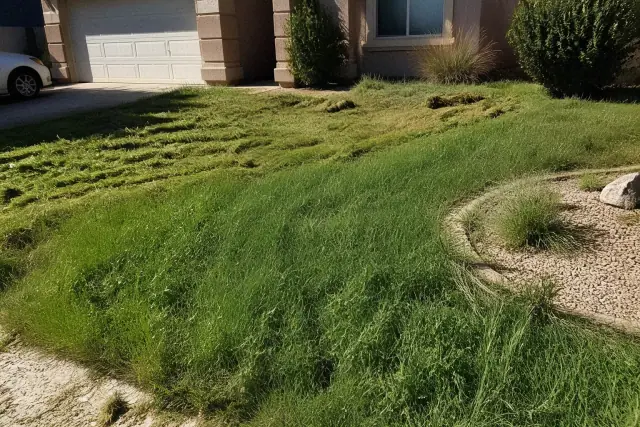
Uneven lawn with grass clippings and gravel borders being mowed during a landscape maintenance job in Gilbert, AZ.

Property-specific plans coordinate mowing, edging, weed control, pruning, irrigation checks, and debris removal. Service frequency changes with Gilbert's nearly year-round growth rather than staying on one fixed rotation.

Explore Service

Yard Cleanup

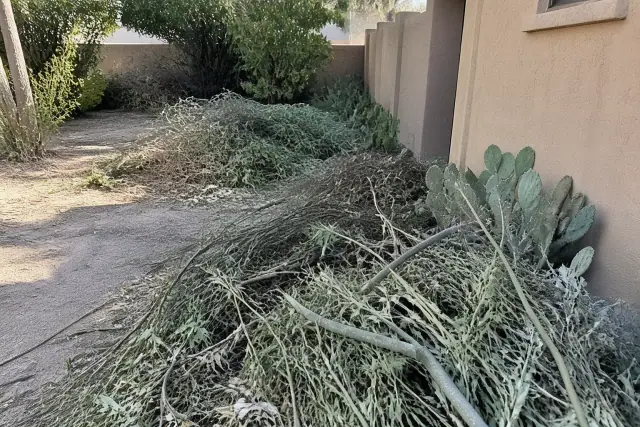
Worker clearing organic yard waste and plant cuttings near prickly pear cactus at a residential site in Gilbert, AZ.

Cleanup visits remove palm fronds, monsoon debris, and seasonal leaf litter from beds, turf, and hardscape. Green waste is hauled away so the site is ready for its next irrigation cycle or event.

Explore Service

Lawn Care

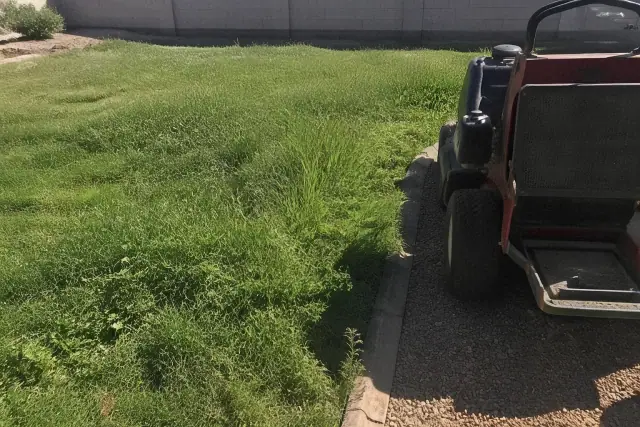
A push mower cutting uneven grass, weeds, and dry soil at a residential jobsite in Gilbert, AZ.

Bermuda, ryegrass overseed, and St. Augustine lawns are mowed on a schedule matched to Gilbert's growing season. Blade height is adjusted through the year to protect roots during summer heat and reduce scalping damage.

Explore Service

Weed Control

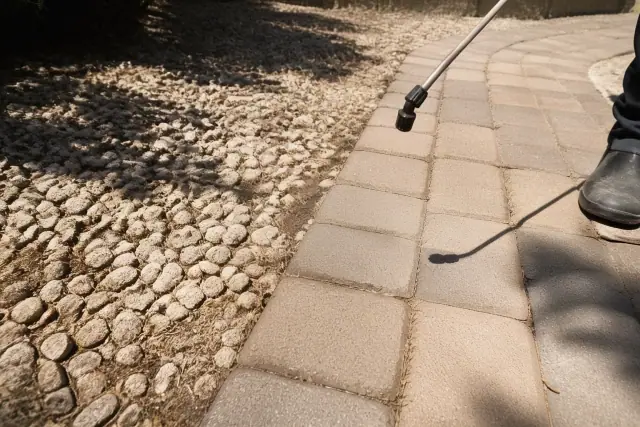
Technician using a spray wand to treat weeds between stone pavers on a path in Gilbert, AZ.

Pre-emergent and post-emergent treatments target puncture vine, spurge, and Bermuda grass invading rock areas. Applications are timed around Gilbert's two main germination windows in spring and fall.

Tree Trimming

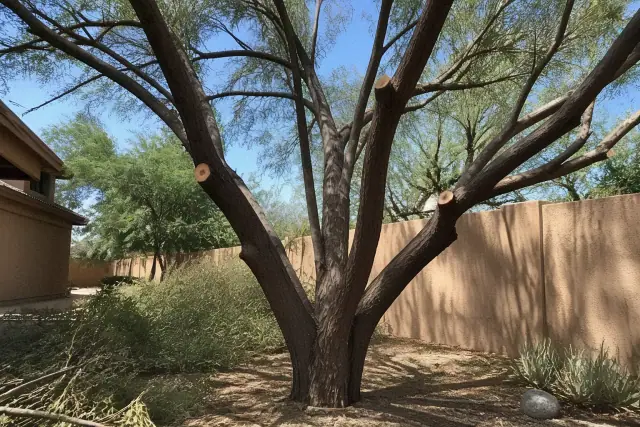
Lower tree branches being pruned near stucco walls in a Gilbert, AZ xeriscape yard.

Mesquite, palo verde, and citrus trees receive structural pruning suited to monsoon exposure. Careful trimming reduces weak growth before wind gusts that regularly exceed 50 mph put limbs under stress.

Shrub & Hedge Trimming

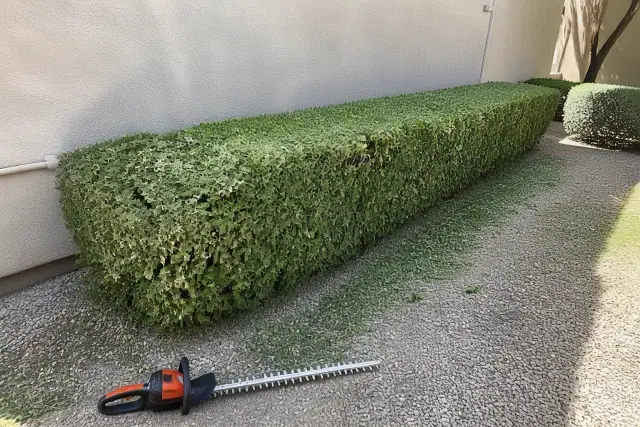
Freshly trimmed squared hedges against a tan stucco wall and gravel landscaping at a home in Gilbert, AZ.

Oleander, Texas sage, and bougainvillea hedges are shaped on a rotation that controls size without shocking plants in peak heat. Many Gilbert shrubs need trimming two to four times a year to balance growth and bloom.

Planting Services

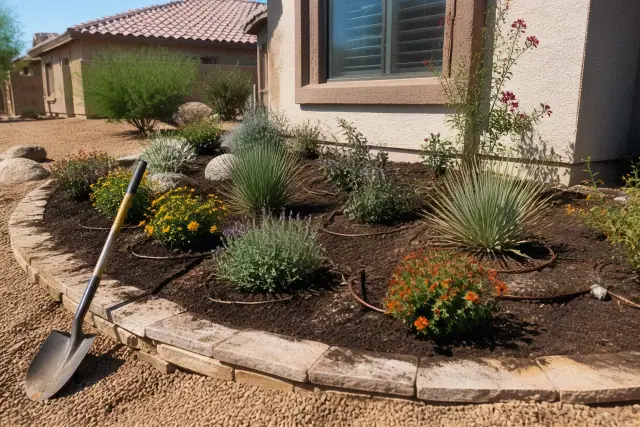
Newly planted shrubs and flowers with mulch and drip irrigation in a Gilbert, AZ residential yard.

Desert-adapted trees, shrubs, and groundcover are sized for Gilbert's rocky soil profile. Installation includes backfill amendment and a temporary watering schedule that supports root establishment before permanent irrigation takes over.

Desert Landscaping

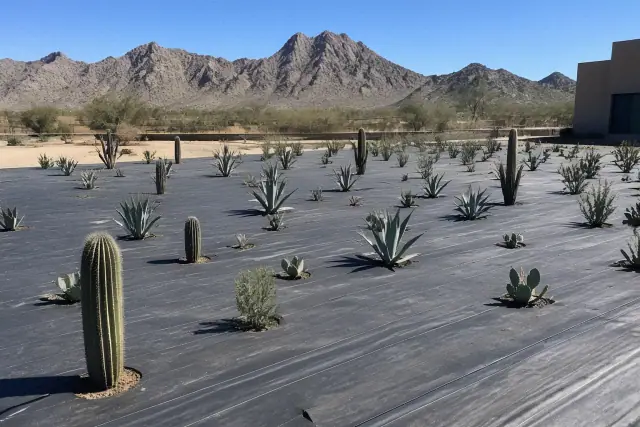
Desert landscaping installation with cacti and agave clusters in a gravel yard in Gilbert, AZ.

Xeriscape conversions, native plantings, and hybrid turf-and-rock layouts reduce the maintenance burden of a traditional lawn. Hydrozoning groups plants by water need so irrigation can serve a mixed landscape more efficiently.

Rock & Gravel Landscaping

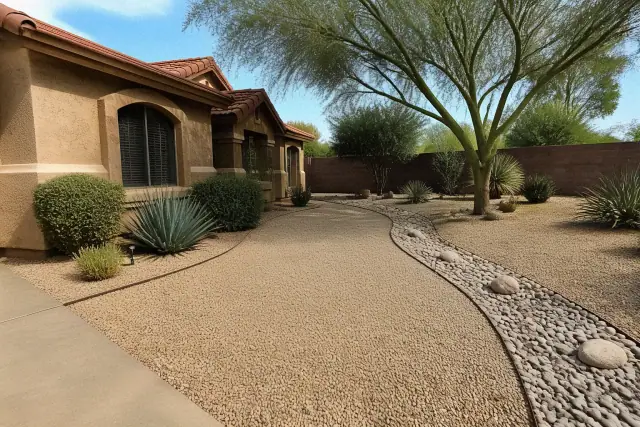
Completed rock and gravel landscaping with steel edging and drought-tolerant plants at a home in Gilbert, AZ.

Decomposed granite, river rock, and rip-rap beds are installed with weed barrier and edging. Proper containment helps material stay out of driveways and pool decks when monsoon runoff moves across the property.

Irrigation Repair

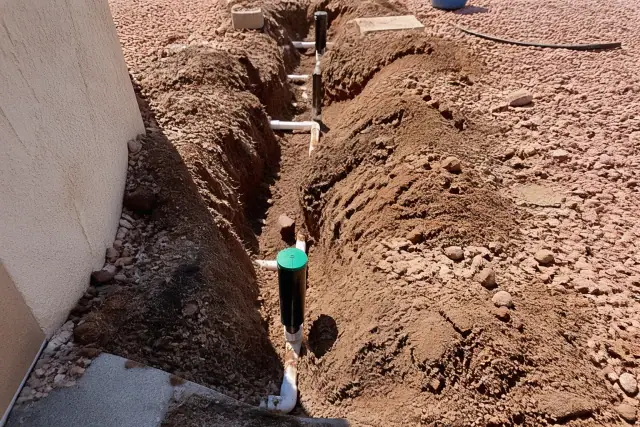
Exposed irrigation pipes and sprinkler heads in a trench during a landscape repair in Gilbert, AZ.

Repairs cover broken drip lines, failed bubblers, emitters, valves, and controller programming. We trace failures linked to soil movement or root intrusion and reprogram watering to match Town of Gilbert guidance.

Choosing a Maintenance Plan

How to Match Landscape Care to Your Gilbert Property

The right plan starts with the property's turf type, plant palette, irrigation zones, soil condition, drainage, and expected appearance. Matching those details to seasonal growth keeps routine work focused while making space for standalone repairs or cleanup when conditions change.

Growing-Season Fit

Bermuda growth, ryegrass overseed transitions, and mild winters create different mowing and fertilization needs throughout the year. Choose a schedule that can increase during peak growth and ease back during slower periods.

Property and Plant Palette

A turf-heavy yard needs different labor than a native planting, HOA entrance, retail center, or office park. Inventory grass types, hedges, trees, rock beds, and shared areas before deciding what belongs in each visit.

Irrigation Zone Complexity

Multiple controllers, drip lines, bubblers, and mixed plant zones add inspection and programming needs. A plan should identify problem zones and group plants by water demand instead of watering every area uniformly.

Rock Bed Drainage

Decomposed granite and other rock materials need stable edging, intact weed barrier, and attention to runoff paths. Properties with pool decks, sloped beds, or drainage near foundations may need more frequent checks after storms.

Tree and Shrub Needs

Mature mesquite, palo verde, citrus, oleander, Texas sage, and bougainvillea add pruning work that is separate from basic mowing. The plan should time structural trimming and shaping around monsoon exposure, bloom, and peak heat.

Maintenance Frequency

Traditional turf commonly needs weekly mowing and frequent edging, while hybrid turf-and-rock plans can fit biweekly service. Established xeriscape and native landscapes may need monthly to seasonal care, depending on weeds, pruning, and irrigation condition.

Gilbert Landscape Challenges

Common Landscaping Problems for Gilbert Properties

At roughly 1,270 feet in the Sonoran Desert, Gilbert landscapes face alkaline caliche, extreme surface heat, seasonal wind, flash flooding, and persistent growth. Recognizing the condition behind a symptom helps direct maintenance toward roots, water delivery, pruning, drainage, or weed timing instead of treating every problem the same way.

Request Property Walkthrough

Caliche-Compacted Soil

Alkaline, caliche-heavy soil drains poorly and resists root penetration without amendment. Compaction also increases runoff, making aeration, planting preparation, and irrigation placement important.

Triple-Digit Heat Stress

Surface temperatures on turf and rock beds routinely exceed 150 degrees in summer. That heat stresses non-native plants, accelerates irrigation-component failure, and makes seasonal mowing height and watering decisions more important.

Monsoon Wind Damage

Monsoon season typically runs from June through September, bringing wind and flash flooding that can snap weak limbs. Structural pruning and prompt debris cleanup help restore safe access and expose tree-health concerns.

Rock Bed Washout

Stormwater can move decomposed granite out of unedged beds and into driveways or pool decks. Edging, drainage review, and the right rock material help keep surfaces contained through runoff.

Irrigation Line Failures

Soil movement and root intrusion commonly damage drip lines, bubblers, emitters, and valves. Leaks, stuck valves, or uneven watering should be traced by zone before controller settings are adjusted.

Persistent Weed Pressure

Puncture vine, spurge, and Bermuda grass can spread through decomposed granite beds even when turf growth slows. Seasonal treatment timing and routine removal keep weeds from taking over between visits.

Why Choose Us

Why Choose Phoenix Expert Landscaping in Gilbert?

Our crews schedule work around Gilbert's growing calendar, monsoon exposure, and local watering guidance. Maintenance practices follow guidance consistent with National Association of Landscape Professionals best practices and Arizona Registrar of Contractors standards for landscape work.

Gilbert-Specific Scheduling

Mowing height, overseed transitions, pruning, weed applications, and controller programming are timed for the local climate. This avoids overwatering, underpruning, or treating Bermuda dormancy like a cooler-region lawn problem.

Property-Specific Planning

The walkthrough accounts for turf condition, irrigation performance, plant health, drainage, and soil before the schedule is built. Residential, commercial, and HOA plans can then reflect the property's actual zones and appearance standards.

Consistent Service Records

Residential clients receive a point of contact so access details and problem irrigation zones remain consistent between visits. Commercial and HOA accounts can receive service documentation for property managers, board meetings, or vendor audits.

Property-Based Process

Our Landscape Maintenance Process in Gilbert

Each plan begins with an on-site review and follows a repeatable visit sequence. The schedule can expand during peak growing months, reduce in winter, and separate unexpected irrigation repairs from routine work.

01.

Walk Through the Property

Review turf condition, plant health, soil, drainage, hardscape, and the property's appearance goals. Note access details and any areas that need targeted attention.

02.

Inspect Irrigation Zones

Check controller programming, drip lines, bubblers, emitters, and valves by zone. Flag leaks, root intrusion, uneven coverage, and repairs that should be handled separately.

03.

Mow, Edge, and Clear Surfaces

Mow turf at a seasonal blade height, define edges, and blow clippings from walks and hardscape. The visit sequence keeps active work organized across the property.

04.

Trim on the Seasonal Rotation

Shape shrubs and hedges when their rotation is due and identify trees that need structural pruning. Timing accounts for bloom, summer stress, and monsoon exposure.

05.

Treat Seasonal Weed Pressure

Apply weed control as needed for the season and remove visible growth from beds. Treatment timing is coordinated with spring and fall germination rather than applied without regard to conditions.

06.

Remove Debris and Report Issues

Clear green waste and debris from turf, beds, and hardscape before leaving. Report irrigation leaks, tree-health concerns, or plant replacement needs so the owner can plan the next action.

Maintenance Plan Examples

Landscape Plans for Gilbert Homes & Businesses

Case Study 1: Recurring Residential Care: A homeowner plan can bundle mowing, weed control, shrub trimming, irrigation checks, and green-waste removal into one recurring visit, with property details kept through a consistent point of contact.

Case Study 2: Commercial and HOA Contracts: Community entrances, retention basins, retail centers, office parks, and shared turf can follow contract schedules with service documentation for managers, boards, and vendor reviews.

Case Study 3: Desert and Hybrid Landscapes: Xeriscape, native planting, and turf-and-rock plans can combine weed-bed upkeep, seasonal pruning, irrigation monitoring, and material containment without treating every property like a traditional lawn.

Plan Your Property Care

Schedule a Gilbert
Landscape Maintenance
Walkthrough

Request an on-site review of your turf, plants, irrigation, soil, drainage, and recurring maintenance needs. We will use the property conditions and service frequency to shape the estimate.

Gilbert Landscaping Help

FAQs About Landscape Maintenance in Gilbert, AZ

Use these answers to compare service frequency, costs, seasonal care, irrigation needs, desert landscape options, and coverage. A property walkthrough is the next step when your turf, plants, or zones require a plan tailored to the site.

Call About Your Property

Most Gilbert homeowners pay between $100 and $300 per month for recurring maintenance, with smaller properties often closer to $100 to $200 per month. Area averages are around $300 per month, or roughly $3,600 annually, depending on lot size, plant density, service frequency, and what is bundled. Phoenix Expert Landscaping prices from a property walkthrough because similarly sized lots can have very different irrigation and plant-care needs.

Standard single mows in the Gilbert area typically run about $36 to $68 depending on lot size. Larger lots or visits that include edging, cleanup, or other maintenance can require a different estimate.

A recurring plan can combine mowing, edging, weed control, shrub and hedge trimming, irrigation checks, and green-waste removal. Tree work, planting, irrigation repair, yard cleanup, or rock-bed service can be included when the property assessment identifies those needs.

Traditional turf often needs weekly mowing and frequent edging during active growth. Hybrid turf-and-rock properties may fit biweekly service, while established xeriscape and native landscapes may need monthly to seasonal visits. The final cadence depends on grass type, plant density, weed pressure, irrigation condition, and appearance goals.

Bermuda, ryegrass overseed, and St. Augustine lawns need mowing height and fertilization adjusted to their active growth periods. Bermuda transitions, aeration, and dethatching are scheduled seasonally instead of waiting for compaction or density problems to become severe. Crews also watch for chinch bugs and Bermuda mite, which are common in Gilbert's heat.

Pre-emergent and post-emergent treatments are timed around spring and fall germination to control puncture vine, spurge, and Bermuda grass invasion. Routine visits also remove visible growth so weeds do not take over decomposed granite areas between treatments.

Structural pruning helps mesquite, palo verde, and citrus trees carry less weak growth into monsoon winds. Dead or storm-damaged trees should be evaluated separately from routine trimming. Replacing a damaged tree typically runs $500 to $2,700 depending on species and size.

Service covers broken drip lines, failed bubblers, emitters, valves, leaks, and controller programming. Each zone is checked for issues caused by soil movement or root intrusion, then programming can be matched to Town of Gilbert watering guidance.

Options include xeriscape conversions, hybrid turf-and-rock layouts, native plantings, decomposed granite, river rock, and rip-rap beds. Weed barrier, edging, and drainage planning help the material stay contained through monsoon runoff. Plant placement can also be organized by water need through hydrozoning.

Agave, red yucca, brittlebush, and desert marigold are examples that can thrive with minimal supplemental water once established. Native plant conversions can save an estimated $2,000 to $4,000 per acre in installation costs compared with importing non-adapted plant material and soil amendments.

Converting turf to xeriscape or a hybrid layout reduces the amount of high-water landscape area. Hydrozoning groups plants by water need so irrigation does not run uniformly across a mixed landscape, supporting conservation guidance for the Phoenix Active Management Area and local Salt River Project rate considerations.

Yes. Residential plans can bundle mowing, weed control, shrub trimming, irrigation checks, and debris removal into a recurring visit, with plant replacement guidance when material is dead or overgrown. A point of contact helps keep gate access, pet schedules, and known irrigation zones consistent between visits.

Yes. Contract schedules can cover HOA entrances, retention basins, shared turf, retail centers, office parks, rock beds, and multi-zone irrigation systems. Service documentation is available for property managers who need maintenance records for board meetings or vendor audits.

Gilbert routes include the Heritage District, Val Vista Lakes, Power Ranch, Seville, Trilogy at Power Ranch, Morrison Ranch, and the SanTan Village corridor. Surrounding coverage includes Chandler, Mesa, Queen Creek, and Higley. Routes can extend across the greater Phoenix metro area for commercial accounts and larger residential portfolios.

The walkthrough reviews turf condition, irrigation function, plant health, drainage, soil, and property access. From that assessment, the maintenance schedule is matched to seasonal mowing, trimming, weed control, cleanup, and reporting needs. Irrigation breaks or stuck valves found between visits can be handled as standalone repairs.