Match the Bloom Cycle
Wait until spring flowers fade before trimming those shrubs. Shape summer and fall bloomers in late winter, before their next growth flush.
Phoenix Expert Landscaping explains why Arizona shrub trimming should follow the species, bloom cycle, and season instead of a single date. The right timing protects next season's flowers, reduces heat stress, and avoids disturbing active bird nests.
Wait until spring flowers fade before trimming those shrubs. Shape summer and fall bloomers in late winter, before their next growth flush.
A 65-85 degree day supports cleaner recovery. Heavy cuts during a 110-degree July afternoon can expose shaded stems to sunburn and force tender growth into peak heat.
Look inside dense foliage before a heavy interior trim, especially from March through August. Disturbing an active nest can harm birds and violate the Migratory Bird Treaty Act.
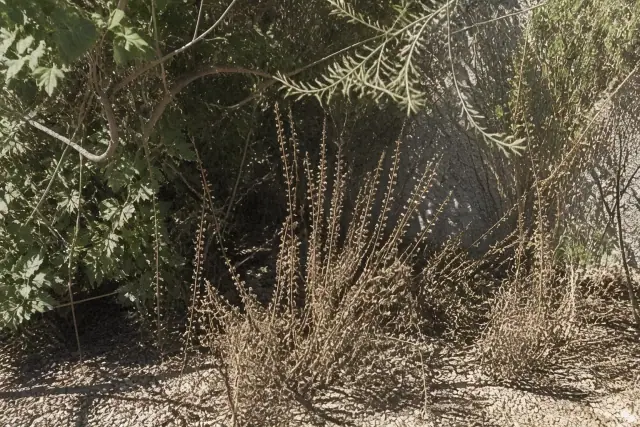
Faded blooms mark the safe point for trimming a spring-flowering shrub. Waiting preserves the flowers that formed on older growth.
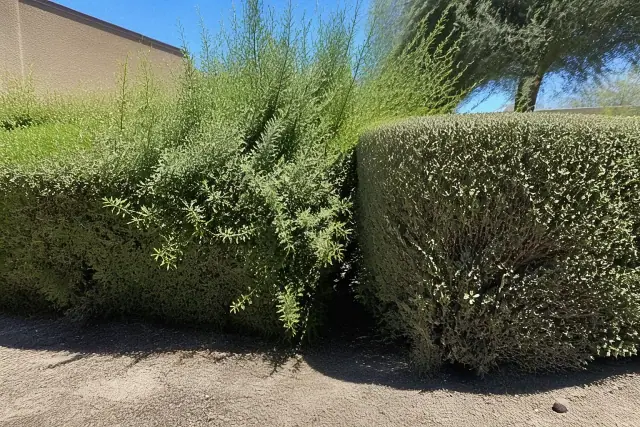
A light tip-prune removes far less canopy than a heavy structural cut. Keeping summer work conservative protects interior stems that developed in shade.
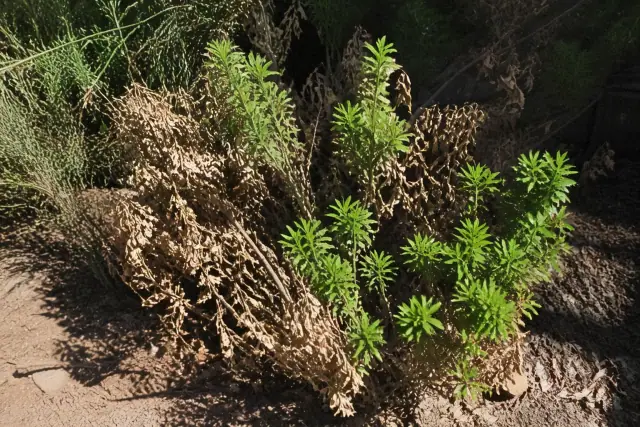
Live buds emerging below dead-looking tips reveal which wood survived winter. That evidence supports more accurate late-February or March cleanup.
Late February through early April is the main Phoenix window for structural work, after frost danger passes but before intense May heat.
Remove dead or damaged wood as needed in almost any month. Creosote also needs little beyond selective dead-wood removal that preserves its open form.
Hold heavy cuts during June-August heat. For frost-sensitive desert rose, bougainvillea, and lantana, wait until frost risk has passed, usually mid-February.
Complete the last significant shaping by early November. That gives cuts several weeks to callus before a possible frost and avoids a late flush of tender growth.
| Season | Best-Fit Pruning | Main Caution |
|---|---|---|
| January | Dormant structural cuts on cold-hardy shrubs | Do not cut spring bloomers before flowering. |
| Late February-April | Post-frost cleanup, structural pruning, and summer-bloomer shaping | The preferred temperature window is 65-85 degrees; check for nests as spring begins. |
| May-September | Light shaping and dead wood removal | Avoid heavy cuts in 100-degree heat, especially during a 110-degree July afternoon. |
| October-early November | Light fall shaping and summer-storm cleanup | Finish significant work by early November so cuts have several weeks to callus. |
| November-February | Dormant work on cold-hardy plants | Avoid heavy pruning on frost-tender bougainvillea and lantana. |
Low-desert Phoenix is in USDA zone 9b, where the growing season runs nearly year-round and pruning windows are wider than in cooler regions. Timing still changes with the plant: oleander is cut after its spring bloom, Texas sage is pruned in late winter before summer rain-driven bloom flushes, and native shrubs such as brittlebush, encelia, and desert marigold generally need only a light late-winter cutback. The goal is to follow natural growth form instead of forcing every shrub into the same sheared shape.
Species, bloom timing, plant age, frost damage, irrigation, and the amount being removed all affect the safest window. Desert and xeriscape shrubs may need only one or two shaping visits per year, while formal residential hedges often need attention every 4-6 weeks during active growth and monthly or less in cooler months; weekly pruning is generally reserved for high-visibility commercial or HOA landscapes. Coordinate irrigation and weed control with pruning, preserve the shrub's natural form, and avoid removing more than a third of its volume during general size control.
Is January too early? It is for spring bloomers, because cutting then removes the growth about to flower, but late winter is appropriate for summer bloomers. Can shrubs be trimmed in summer? Yes, if the work is limited to dead wood and light touch-ups rather than heavy structural cuts. Before or after rain? Prune before rain when practical, or wait until wet stems and foliage dry completely. On oleander, wear gloves and eye protection because the sap is toxic, and avoid the common mistakes of tight ball-shearing, ragged heading stubs, and exposing shaded interior branches during peak heat.
Share the shrub species, recent bloom timing, visible frost or heat damage, and photos of the plant's current shape. A local pruning plan can account for the property, irrigation schedule, season, and amount of growth that needs to be removed.