Which Weeds Are Common in Phoenix?
Sixteen species make up the bulk of weed-control calls across Maricopa County. The broadleaf group includes Palmer's amaranth, purslane, silverleaf nightshade, pigweed, spotted spurge, and puncturevine; grassy or grass-like problems include Bermuda grass, crabgrass, yellow nutsedge, southern sandbur, and johnsongrass. The four regulated invasives highlighted here are buffelgrass, stinknet, fountain grass, and johnsongrass, which spread aggressively through disturbed desert areas, roadsides, canals, irrigation ditches, and preserve trails.
Why the Right Control Method Varies
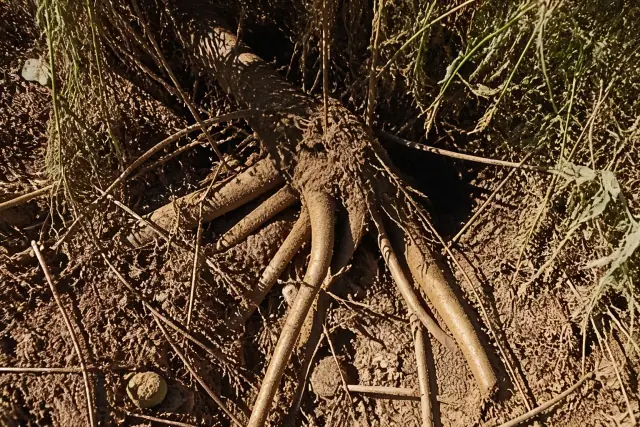
Phoenix's year-round irrigation, low-desert heat, and monsoon humidity spikes create different germination and regrowth patterns. Crabgrass starts germinating when soil reaches the mid-60s, yellow nutsedge favors overwatered turf and leaking irrigation, and buffelgrass adds wildfire fuel on desert slopes near South Mountain Park. Palmer's amaranth can reach 6-8 feet, while field bindweed roots can extend 10 feet or more underground, so surface growth alone does not reveal the full problem. No herbicide-resistant weed populations have been confirmed in Arizona to date, but a single product rarely handles both broadleaf and grassy species effectively.
Common Follow-Up Questions
To identify an unknown weed, compare leaf veins, stem shape, flowers, seed heads, and whether it forms a mat, stands upright, or vines; photos help narrow the options, but look-alikes can require an on-site inspection. The hardest weeds to eliminate are field bindweed, Bermuda grass, and yellow nutsedge because they regrow from deep roots, rhizomes, or underground structures. Natural suppression options include hand-pulling, soil solarization during peak summer heat, and maintaining 2-3 inches of mulch or decorative gravel over bare soil. Professional treatment in the Phoenix area typically costs $184 to $275, while mechanical pulling runs roughly $27 to $35 per hour or may be priced by lot size.